
Partner Content
The same cover in two policies, and a renewal that changed quietly
Paid column You hold several policies, you have not laid them side by side for some years, and you want to know whether they overlap or changed at renewal without you noticing. Here are five reader letters on exactly that, each answered with one practical step.
Letter 1 · from M.
My car policy renewed on its own and the payment looks different
It renewed in March without my lifting a finger. It went through as usual, yet the figures look different from last year’s, and the notice that came beforehand said very little. I have not changed cars, address or drivers. What should I look at before it runs on for another year? Is this normal?
Reply
You have missed nothing clever. A renewal is built so that you do not have to act, and an automatic one can carry a markup that the notice mentions only in passing.
Find last year’s schedule and this year’s. Lay them on the table, one beside the other, and take a pencil. Compare the schedule, the excess and the listed extras side by side, line by line. Mark every line that reads differently, however small the difference looks.
What are you looking for? An extra that has appeared, an excess that has risen, a named driver who has dropped off, a courtesy car that is no longer there. None of these shouts. All of them matter on the day you need the policy.
Your one step is to write the differences on a single sheet and clip it to the schedule. That sheet is what you want in front of you when you ring your insurer and ask why.
H.T.
Letter 2 · from D.
I think I have breakdown cover in three places
There is roadside help on my car policy. My bank account came with a package that mentions it too. I believe a third arrived with something I bought years ago and have forgotten. Which of them would turn up if the car stopped? Am I covered for the same thing three times?
Reply
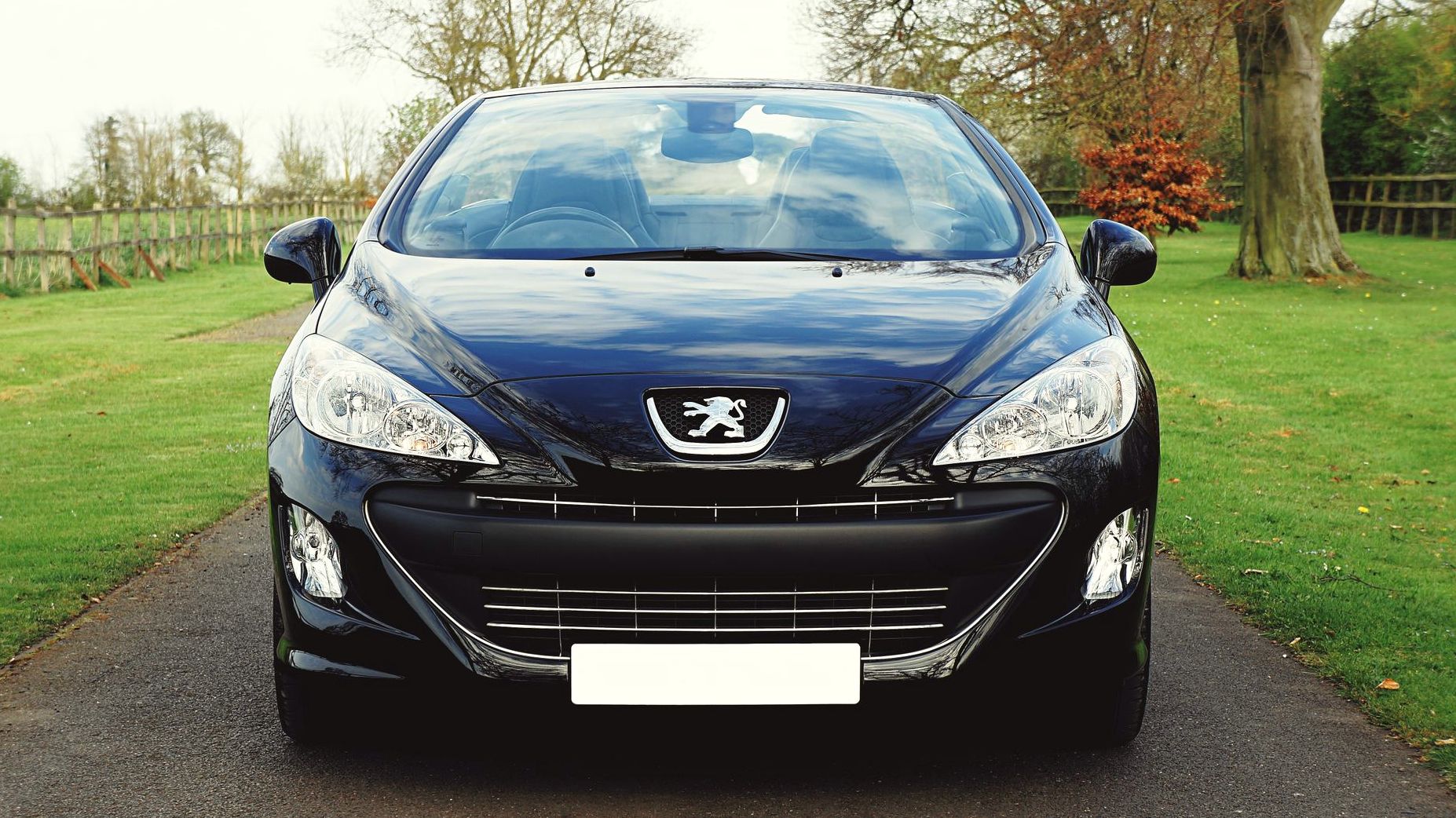
Possibly, and you are in good company. Breakdown cover, legal protection, gadget cover and excess waivers are the riders that most often repeat. Many policyholders pay twice for roadside assistance, legal protection, gadget cover or excess waivers across separate policies and bank packages without realising it.
Bank packages and car policies can both include the same help. The place to look is the schedule of each policy, the booklet that came with the bank account, and any plan you took out alongside a purchase.
Take one sheet of paper. For every rider, write down its name, who provides it, what it pays for, the limits on each event and the date it renews. A few rows will tell you more than a week of worrying.
Help that follows you into any car is not the same as help tied to a single car. Cover that starts at the end of your road is not the same as cover that starts at the front door.
Your step is to finish the sheet, then pick any two rows that look alike and read their terms again, one next to the other.
H.T.
Letter 3 · from S.
We hold car, home, contents and life. Is a review call worth the bother?
We have car, home, contents and life policies, bought at different times from different companies, and nobody in the house has put them side by side for years. A friend mentioned a review call. What would it ask of us?
Reply
It is worth the bother for some households and not for others. Which kind are you? It suits households with several policies that have not been compared for some years. If you hold one policy and read it every spring, you can leave this one alone.
The service I have in mind is Policy Coverage Audit. It reviews active household insurance policies, whether car, home, contents, health or life, to spot automatic renewal markups and overlapping riders.
It runs on a short call, and the comparison goes line by line, as in letter one. A policy review specialist compares the current policy schedule and deductibles with you, then walks through where premiums can be trimmed.
Before the call, put two things on the table: the schedules, and the sheets from letters one and two, if you made them. The specialist can then compare like with like instead of working from memory.
The review call is non-binding and focuses on matching coverage levels rather than stripping essential protection. I rate that order of priorities. The question on the call is what you need, not what you could do without.
You need at least one active car, home, health or life policy, and contact details for the callback and the written summary. Without a policy on the table there is nothing to compare.
Tick what the summary should cover, then leave your name, phone number, e-mail address and a preferred time for the call.
H.T.
Letter 4 · from R.
If a rider goes, what exactly am I left without?
Suppose a review finds a rider I could drop, or a policy I could switch. How would I know the new arrangement reads the same as the old one? I do not want to find a gap on the day I need the cover.
Reply
Not from a renewal figure alone, which is why the call compares levels of cover line by line. Removing a rider or switching a policy can leave a gap. The call is general information, not personal insurance advice, and the choice stays with you.
What a policy costs depends on underwriting, claims history, location and the cover chosen. Four things, none of them visible from outside, and none that I can know about your house before you describe it.
So a review can end with the advice to change nothing. That is a proper result. It means the cover you hold fits the household, and the call has told you so.
I may show you one figure from past cases, and here it is exactly as written.
Before any call, mark on each schedule the riders you would be sorry to lose. Then the comparison has something to be measured against.
H.T.
Letter 5 · from K.
What happens after I send the request?
I like to know what I am agreeing to before I put my number into a form. What follows once I press send, and who ends up with my details?
Reply
Here is the order of events. You tick the areas you want covered and leave your details. By sending the request you agree that a policy review specialist may call or e-mail you about your insurance policies. That is the consent.
A policy review specialist then phones or writes, usually within a few working days and around the time you gave. The written summary and the call come first; what to do next is your choice. Nothing is booked on your behalf, and the time you name is a wish, not an appointment.
Sending the request costs you nothing and commits you to nothing. If you decide afterwards to change a policy, that is a separate step between you and whoever you deal with.
I should say plainly that this column is advertising: Diverti Media SRL runs the request page and passes requests on to the people who call about the Policy Coverage Audit.
H.T.
The request asks for a few ticks and four details.
Ask for the written summary and a callFrom the drawer
-
Renewal notices
How to read a renewal notice with a pencil and ten minutes
Where the changes tend to sit on the page, and what to mark as you go.
-
Breakdown cover
Where breakdown cover turns up besides your car policy
The other places roadside help can hide, and how to spot them.
-
Policy folder
A policy folder you can set up in one evening
Schedules, renewal dates and contact details in one box file.