A policy folder you can set up in one evening
Most households have the paperwork somewhere. The trouble is that somewhere is a drawer, a kitchen shelf and an inbox.
Choose the box first
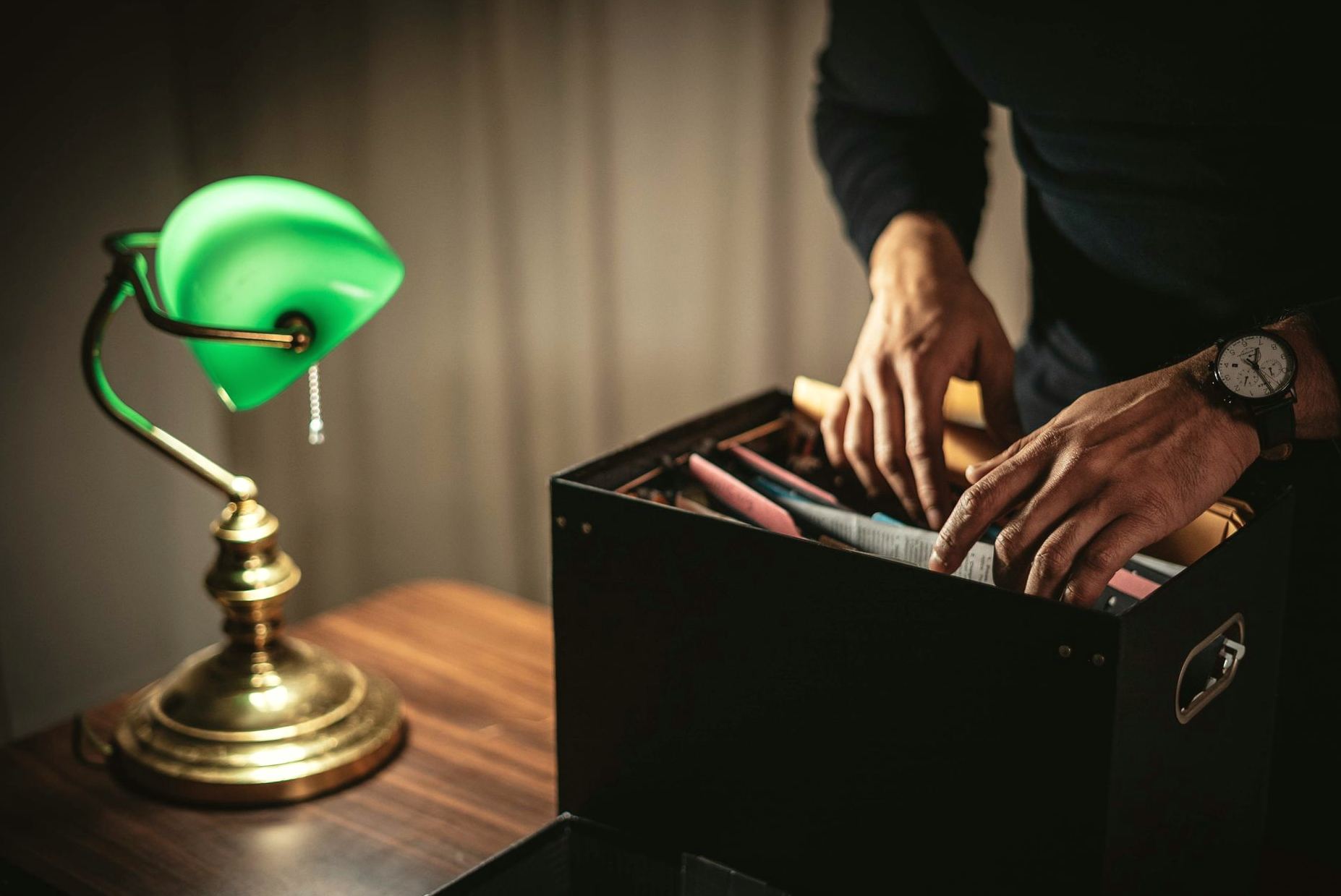
Pick a box file, or a lidded box with room for a dozen card wallets. A plain one will do. What matters is that it has a single home and that everyone in the house knows where it is. Put it where you would look first, not where it would look tidiest.
What each policy gets
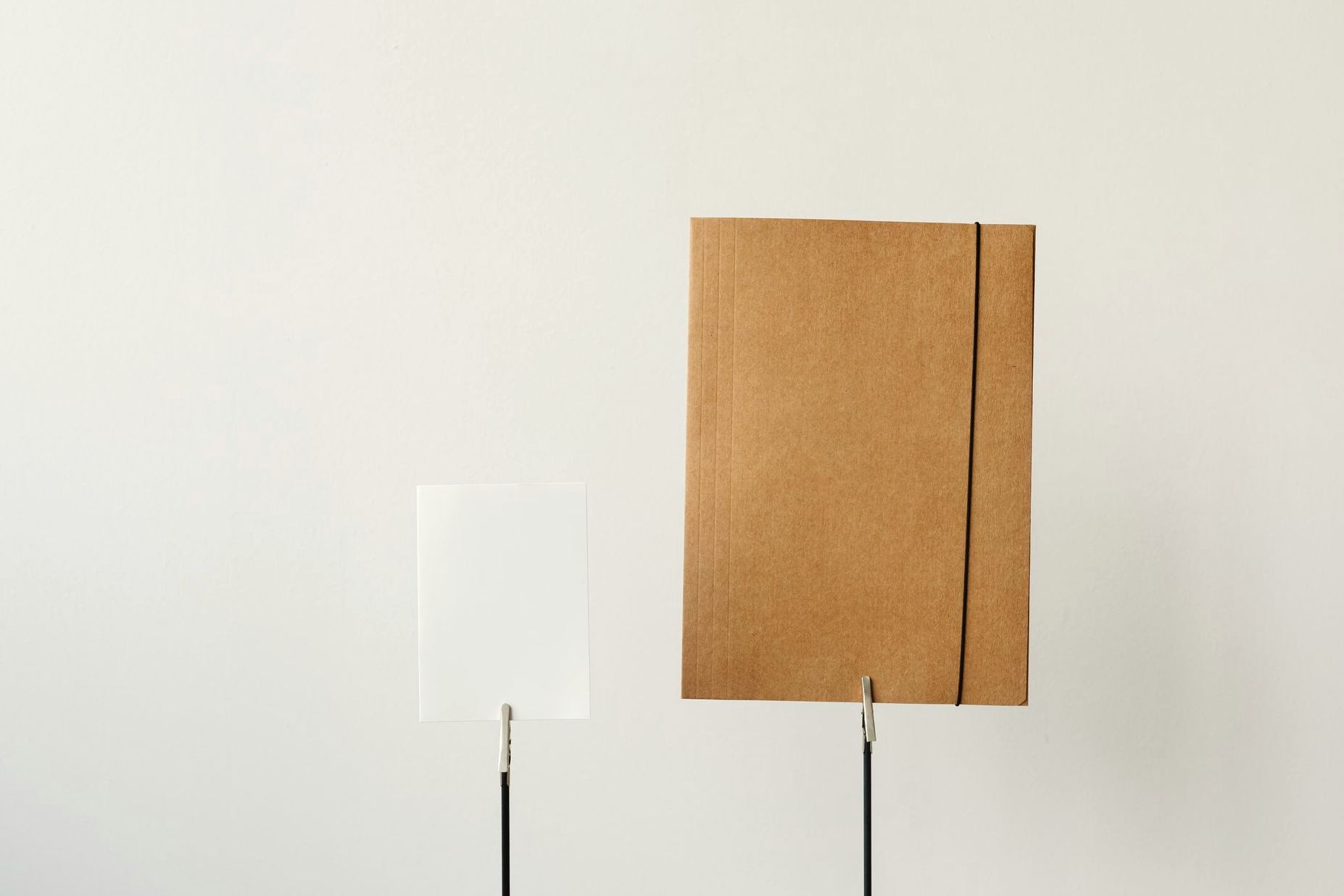
Give every policy its own card wallet. Into it go three things: the current schedule, which lists what is covered; the policy wording, which explains the terms; and a note of who to ring, with the policy number written large.
Add the renewal date to the front of the wallet and to your diary, with a reminder set a few weeks ahead. Renewal dates are the ones that slip past, and a dated wallet is hard to ignore.
An order of work for one evening
- Gather. Walk the house with a tray and collect every policy document and letter. Check the kitchen drawer, the glovebox and your inbox, where a search for the word “schedule” usually turns up the rest.
- Sort. Group the papers by what they protect: car, home, contents, health and life, then anything that came with a bank account or a purchase.
- Wallet. Label one wallet per policy and put the newest schedule in front.
- Note. Write the renewal date, the contact number and the policy number on the front of each wallet.
- List. On one sheet, write down the extras each policy mentions, such as roadside help, legal protection or gadget cover, so that repeats show at a glance.
- Close. Lay the sheet on top, shut the lid and return the box to its home.
Keeping it alive
When a renewal notice arrives, it goes into the box behind the old schedule, and the old one stays until the new one has been read through. Once a year, on a quiet evening, take the lid off and read the top sheet.
If the list shows the same help in two places, that is the moment to read both sets of terms side by side. Our reader letters on overlapping cover take that question further.
H.T.